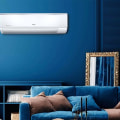
Air conditioning systems have become an integral part of our daily lives, transforming the way we experience indoor environments. From residential homes to commercial buildings, the ability to control temperature and humidity has revolutionized comfort and productivity. But what exactly is air conditioning? At its core, air conditioning refers to the process of altering the properties of air—primarily its temperature and humidity—to create a more comfortable atmosphere. This technology not only cools the air but also filters it, removing pollutants and allergens, which is essential for maintaining a healthy living space.Understanding how AC operation works is crucial for appreciating its significance.
Air conditioning systems utilize a combination of mechanical and thermodynamic processes to achieve their cooling effects. By circulating refrigerant through a closed loop, these systems absorb heat from indoor air and release it outside, effectively lowering the temperature within a space. This process involves several key components, including compressors, condensers, evaporators, and expansion valves, each playing a vital role in ensuring efficient operation.The importance of air conditioning extends beyond mere comfort; it significantly impacts our health and well-being. In regions with extreme temperatures, effective air conditioning can prevent heat-related illnesses and improve overall quality of life.
Moreover, in commercial settings, a well-regulated environment can enhance employee productivity and satisfaction. As we delve deeper into the science behind air conditioning systems, we will uncover the intricate mechanisms that allow these machines to function effectively and explore their broader implications in our modern world.
The Basic Principles of AC Operation
Understanding the basic principles of air conditioning is essential for grasping how these systems function effectively to provide comfort in our living and working environments. At the heart of every air conditioning unit lies the refrigeration cycle , a process that utilizes thermodynamic principles to transfer heat from one location to another.The refrigeration cycle consists of four main components: the compressor, condenser, expansion valve, and evaporator. Each component plays a crucial role in the overall operation of the system.- Compressor: This is the heart of the air conditioning system.
It compresses the refrigerant gas, raising its pressure and temperature. The high-pressure gas then flows to the condenser.
- Condenser: Located outside the building, the condenser dissipates heat from the refrigerant into the outdoor air. As it cools, the refrigerant changes from a gas to a liquid state.
- Expansion Valve: This component regulates the flow of refrigerant into the evaporator. As the high-pressure liquid refrigerant passes through this valve, it experiences a drop in pressure, which causes it to cool significantly.
- Evaporator: Situated inside the building, the evaporator absorbs heat from indoor air.
The low-pressure liquid refrigerant evaporates as it absorbs this heat, cooling the surrounding air before being cycled back to the compressor.
Key Components of Air Conditioning Systems
Understanding the components of air conditioning systems is crucial for grasping how these machines operate efficiently. Each part plays a specific role in the overall function of the system, ensuring that cool air is delivered effectively to indoor spaces.Here, we will explore the primary components that make up an air conditioning system.
- Compressor: Often referred to as the heart of the AC system, the compressor is responsible for circulating refrigerant throughout the system. It compresses the refrigerant gas, raising its pressure and temperature before sending it to the condenser. This process is vital for maintaining the flow of refrigerant and ensuring efficient cooling.
- Condenser: The condenser is typically located outside the building and plays a key role in releasing heat absorbed from inside. As the high-pressure refrigerant gas enters the condenser, it cools down and transforms into a liquid state by releasing heat to the outside air.
This heat exchange is essential for maintaining a comfortable indoor environment.
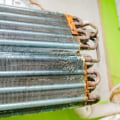
- Evaporator: Located inside the home, the evaporator coil absorbs heat from indoor air. As warm air passes over the evaporator coil, the refrigerant inside absorbs this heat and evaporates into a gas. This process cools down the air that is then circulated back into the living space, providing relief from heat.
- Expansion Valve: The expansion valve regulates the flow of refrigerant into the evaporator. It reduces the pressure of the refrigerant, allowing it to expand and cool before entering the evaporator coil.
This step is crucial for maximizing cooling efficiency and ensuring that only the right amount of refrigerant enters the evaporator.
The Refrigeration Cycle Explained
The refrigeration cycle is the fundamental process that allows air conditioning systems to cool indoor spaces effectively. Understanding this cycle is crucial for grasping how AC operation maintains comfortable temperatures, especially during sweltering summer months.The refrigeration cycle consists of four main stages: evaporation, compression, condensation, and expansion. Each stage plays a vital role in transferring heat from the indoor environment to the outside.
1.Evaporation
The cycle begins in the evaporator coil, where the refrigerant absorbs heat from the indoor air. As warm air passes over the coil, the refrigerant inside it evaporates from a liquid to a gas. This phase change requires energy, which is drawn from the surrounding air, resulting in a drop in temperature.The cooled air is then circulated back into the living space, providing relief from the heat.
2.Compression
Once the refrigerant has absorbed enough heat and transformed into a gas, it flows to the compressor. The compressor's role is to increase the pressure of the refrigerant gas, which also raises its temperature. This process is essential because it prepares the refrigerant for the next stage of the cycle. The high-pressure gas is then directed towards the condenser coil.3.Condensation
In the condenser coil, located outside the building, the refrigerant releases its absorbed heat into the outdoor air.As it cools down, it transitions back into a liquid state. This heat exchange is facilitated by a fan that blows outdoor air over the condenser coils, enhancing efficiency. The now-cooled liquid refrigerant is then sent back to the evaporator to restart the cycle.
4.Expansion
The final stage involves an expansion valve or device that reduces the pressure of the refrigerant before it re-enters the evaporator coil. This drop in pressure allows the refrigerant to cool further and prepares it for another round of heat absorption from indoor air.This continuous cycle of evaporation and condensation is what makes air conditioning systems so effective at maintaining comfortable indoor temperatures.In summary, understanding each stage of the refrigeration cycle not only highlights how air conditioning systems operate but also emphasizes their importance in enhancing our comfort during extreme weather conditions.
Types of Air Conditioning Systems
When it comes to air conditioning systems, understanding the different types available can help you make an informed decision based on your specific needs. Each type of air conditioning unit has its own set of features, advantages, and ideal applications. Below, we explore the most common types of air conditioning systems: central air conditioning, window units, and portable air conditioners.Central Air Conditioning Systems
Central air conditioning systems are designed to cool entire homes or large spaces efficiently. These systems consist of a central unit that cools the air and distributes it through a network of ducts.Here are some key features:
- Efficiency: Central AC units are typically more energy-efficient than individual units, especially in larger homes.
- Comfort: They provide consistent cooling throughout the space, eliminating hot spots.
- Air Quality: Many central systems come with advanced filtration options that improve indoor air quality by removing dust, allergens, and pollutants.
Window Air Conditioners
Window AC units are compact systems that fit into a window frame. They are ideal for cooling single rooms or small spaces. Here’s what you should know:- Affordability: Window units are generally less expensive to purchase and install compared to central systems.
- Simplicity: They are easy to install and can be removed during cooler months.
- Space-Saving: These units do not require ductwork, making them suitable for apartments or homes without existing HVAC systems.
Portable Air Conditioners
Portable air conditioners offer flexibility and convenience, allowing you to cool specific areas without permanent installation. Key characteristics include:- Mobility: These units can be easily moved from room to room as needed.
- No Installation Required: They typically require minimal setup—just plug them in and vent the exhaust through a window.
- Versatility: Portable ACs can be used in various settings, including homes, offices, and even tents during camping trips.
Whether you opt for a central system for whole-home comfort or a portable unit for flexibility, understanding these options will help you stay cool during the hottest months of the year.
Energy Efficiency and Environmental Impact
As the demand for air conditioning systems continues to rise, understanding their energy efficiency and environmental impact has become increasingly important. Traditional air conditioning units can consume a significant amount of energy, contributing to higher electricity bills and increased greenhouse gas emissions. Therefore, enhancing the energy efficiency of these systems is not just beneficial for homeowners but also crucial for the environment.Energy efficiency in air conditioning is often measured by the Seasonal Energy Efficiency Ratio (SEER). A higher SEER rating indicates a more efficient unit that uses less energy to cool a space.For instance, modern units can achieve SEER ratings of 16 or higher, compared to older models that may only reach ratings of 10 or lower. This improvement translates into substantial energy savings over time.Moreover, the environmental impact of air conditioning systems extends beyond energy consumption. The refrigerants used in these systems can also contribute to global warming if they leak into the atmosphere. Many traditional refrigerants, such as hydrofluorocarbons (HFCs), have a high global warming potential.
As a result, there is a growing push towards eco-friendly cooling solutions that utilize natural refrigerants like ammonia or carbon dioxide, which have a much lower environmental impact.In addition to choosing energy-efficient units and eco-friendly refrigerants, homeowners can adopt several practices to further enhance their air conditioning systems' efficiency:
- Regular Maintenance: Routine checks and maintenance can ensure that the system operates at peak efficiency.
- Smart Thermostats: Installing programmable or smart thermostats allows for better temperature control and reduces unnecessary energy use.
- Proper Insulation: Ensuring that homes are well-insulated minimizes the workload on air conditioning systems.
- Energy Star Certified Units: Opting for units that meet Energy Star standards guarantees a level of efficiency that benefits both the user and the environment.
Common Issues and Maintenance Tips for AC Systems
Air conditioning systems are complex machines that can encounter a variety of issues over time. Understanding these common problems and implementing regular maintenance can significantly enhance the lifespan and efficiency of your AC unit.Common AC Problems
- Insufficient Cooling: One of the most frequent complaints is that the air conditioner is not cooling effectively. This can be caused by a dirty air filter, low refrigerant levels, or issues with the compressor.
- Strange Noises: Unusual sounds such as grinding, squealing, or rattling can indicate mechanical problems.
These noises may stem from loose components or failing parts that require immediate attention.
- Frequent Cycling: If your AC turns on and off frequently, it may be a sign of an oversized unit, a malfunctioning thermostat, or airflow restrictions. This cycling can lead to increased energy costs and wear on the system.
- Water Leaks: Water pooling around the unit can indicate a clogged drain line or a refrigerant leak. Both issues need prompt resolution to prevent water damage and further complications.
Maintenance Tips for Air Conditioners
- Regular Filter Changes: Replace or clean your air filters every 1-3 months to ensure optimal airflow and efficiency. A clean filter helps maintain indoor air quality and reduces strain on the system.
- Schedule Professional Inspections: Have your AC system inspected by a professional at least once a year.
Technicians can identify potential issues before they become major problems, ensuring your system runs smoothly.
- Keep the Outdoor Unit Clear: Ensure that the outdoor condenser unit is free from debris such as leaves, dirt, and vegetation. This allows for proper airflow and prevents overheating.
- Check Thermostat Settings: Regularly verify that your thermostat is functioning correctly and set to an appropriate temperature. Consider upgrading to a programmable thermostat for better energy management.
Troubleshooting AC Issues
If you encounter any problems with your air conditioning system, start by checking the basics: ensure that the thermostat is set correctly, inspect the circuit breaker for tripped switches, and examine the air filter for clogs. If these steps do not resolve the issue, it may be time to consult a professional technician who can diagnose and repair more complex problems.By being proactive about maintenance and addressing common issues promptly, you can keep your air conditioning system running efficiently and effectively throughout its lifespan.
Future Trends in Air Conditioning Technology
As we look to the future, the landscape of air conditioning technology is evolving rapidly, driven by the need for greater efficiency, sustainability, and user comfort.Innovations in AC systems are not only enhancing performance but also integrating seamlessly with our increasingly connected lifestyles.One of the most significant trends is the rise of smart air conditioners. These systems utilize advanced sensors and IoT (Internet of Things) technology to monitor and adjust indoor climates automatically. For instance, smart AC units can learn user preferences over time, adjusting temperatures based on occupancy patterns and even weather forecasts. This not only maximizes comfort but also minimizes energy consumption, leading to lower utility bills.Moreover, many smart air conditioners can be controlled remotely via smartphone apps.
This feature allows users to turn their systems on or off, set schedules, and adjust settings from anywhere, providing unparalleled convenience. Some models even offer integration with home automation systems, enabling users to create a cohesive smart home environment.In addition to smart technology, there is a growing emphasis on energy efficiency. Manufacturers are developing high-efficiency systems that utilize variable speed compressors and advanced refrigerants with lower global warming potential. These innovations not only reduce energy consumption but also align with global efforts to combat climate change.Another exciting development is the use of renewable energy sources in air conditioning systems.
Solar-powered AC units are becoming more prevalent, allowing homeowners to harness solar energy for cooling purposes. This not only reduces reliance on traditional power grids but also significantly lowers carbon footprints.Furthermore, advancements in air filtration technology are enhancing indoor air quality. Newer systems incorporate HEPA filters and UV light technology to eliminate allergens and pathogens from the air, creating healthier living environments.As we move forward, the future of air conditioning technology promises to be more efficient, environmentally friendly, and user-centric than ever before. With ongoing research and development in this field, we can expect even more groundbreaking innovations that will redefine how we experience comfort in our homes and workplaces.
Frequently Asked Questions about AC Operation
Understanding the operation of air conditioning systems can often lead to a myriad of questions.Below are some of the most frequently asked questions regarding AC operation, along with detailed answers to help clarify common concerns.
What is the basic principle of how an air conditioner works?
An air conditioner operates on the principle of heat exchange. It removes heat from the indoor air and transfers it outside, thereby cooling the indoor environment. This process involves a refrigerant that circulates through the system, absorbing heat from inside and releasing it outside.How do I choose the right size air conditioner for my space?
Selecting the appropriate size for your air conditioning unit is crucial for efficiency and comfort. Here are some factors to consider:- Room Size: Measure the square footage of the area you want to cool.
A unit that is too small will struggle to cool the space, while one that is too large will cycle on and off too frequently.
- Insulation: Well-insulated spaces retain cool air better, which may allow for a smaller unit.
- Sun Exposure: Rooms with significant sunlight may require a more powerful unit to compensate for heat gain.
- Occupancy: More people generate more heat, so consider how many people typically occupy the space.
What maintenance does an air conditioning system require?
Regular maintenance is essential for optimal AC operation. Here are some key maintenance tasks:- Filter Replacement: Change or clean filters every 1-3 months to ensure proper airflow and efficiency.
- Coil Cleaning: Clean the evaporator and condenser coils at least once a year to prevent dirt buildup that can hinder performance.
- Check Refrigerant Levels: Ensure that refrigerant levels are adequate; low levels can indicate leaks that need professional attention.
- Inspect Ductwork: Check for leaks or blockages in ductwork that can affect airflow and efficiency.
Why is my air conditioner not cooling effectively?
If your air conditioner is not cooling as it should, consider these common issues:- Dirty Filters: Clogged filters restrict airflow, making it harder for your system to cool effectively.
- Refrigerant Issues: Low refrigerant levels due to leaks can significantly impact cooling performance.
- Thermostat Problems: A malfunctioning thermostat may not accurately read temperatures, leading to inadequate cooling.
Conclusion: The Importance of Understanding AC Operation
In conclusion, understanding the operation of air conditioning systems is not just a matter of curiosity; it is essential for making informed decisions regarding comfort, energy efficiency, and maintenance. Throughout this article, we have explored the intricate mechanisms that allow air conditioners to function effectively, from the basic principles of thermodynamics to the specific components that work in harmony to regulate indoor climates.By grasping how these systems operate, homeowners and business owners alike can:- Enhance Energy Efficiency: Knowledge of AC operation enables users to optimize settings and schedules, reducing energy consumption and lowering utility bills.
- Improve Indoor Air Quality: Understanding the role of filters and ventilation in AC systems helps in maintaining cleaner air, which is crucial for health and well-being.
- Extend Equipment Lifespan: Regular maintenance informed by a solid understanding of how air conditioning works can prevent costly repairs and prolong the life of the unit.
- Make Informed Purchases: When upgrading or purchasing new systems, being knowledgeable about AC operation allows consumers to choose models that best fit their needs and budget.
As we continue to rely on these systems for relief from heat, let us also commit to learning more about their operation and maintenance. This knowledge not only enhances our comfort but also contributes to a sustainable future.