As the summer sun blazes down, the importance of air conditioning systems becomes abundantly clear. These systems are not merely luxuries; they are essential for maintaining a comfortable and healthy indoor environment during the sweltering heat. With temperatures soaring, the demand for effective AC operation increases, making it crucial to understand how these systems function and why they are vital for our well-being.At the heart of every air conditioning system lies a complex yet fascinating process known as the refrigerant cycle. This cycle is responsible for transferring heat from inside your home to the outside, allowing you to enjoy a cool retreat from the oppressive heat.
The refrigerant, a specialized chemical fluid, plays a pivotal role in this process by absorbing heat as it evaporates and releasing it as it condenses. Understanding this cycle not only demystifies how air conditioning works but also highlights the importance of regular maintenance to ensure optimal performance.Moreover, air conditioning systems do more than just cool the air; they also help regulate humidity levels, which can significantly impact comfort and health. High humidity can lead to discomfort and even health issues, making dehumidification an essential function of modern AC units. As we delve deeper into the science behind these systems, we will explore their components, efficiency ratings, and maintenance tips that can enhance their performance during the hottest months of the year.
How Air Conditioning Works: The Refrigeration Cycle
Understanding the refrigeration cycle is essential for grasping how air conditioning systems operate efficiently.This cycle involves a series of processes that allow refrigerants to absorb heat from the indoor environment and release it outside, thereby cooling the air within your home.The refrigeration cycle consists of four main stages: evaporation, compression, condensation, and expansion. Each stage plays a critical role in the overall function of an air conditioning system.
1.Evaporation
The cycle begins in the evaporator coil, where the refrigerant enters as a low-pressure liquid. As warm air from your home passes over the coil, the refrigerant absorbs this heat and evaporates into a gas. This process not only cools the air but also dehumidifies it, making your indoor environment more comfortable.2.Compression
Next, the gaseous refrigerant flows to the compressor, typically located outside your home.Here, the refrigerant is compressed to a high-pressure state, which raises its temperature significantly. This step is crucial because it prepares the refrigerant for the next phase of heat exchange.
3.Condensation
The high-pressure gas then moves to the condenser coil, where it releases the absorbed heat to the outside air. As it cools down, the refrigerant condenses back into a liquid state. This heat exchange process is vital for maintaining efficient AC operation, as it ensures that heat is effectively expelled from your living space.4.Expansion
Finally, the liquid refrigerant passes through an expansion valve or capillary tube, where its pressure drops significantly.This sudden decrease in pressure allows the refrigerant to cool further before it re-enters the evaporator coil, thus completing the cycle.This continuous loop of evaporation and condensation is what makes air conditioning systems so effective at regulating indoor temperatures. By understanding this heat exchange process , homeowners can appreciate the importance of regular maintenance and timely repairs to ensure their systems operate at peak efficiency.
Components of an Air Conditioning System
Understanding the components of an air conditioning system is crucial for anyone looking to maintain their unit effectively and ensure optimal performance during the sweltering summer months. Each part plays a significant role in the overall operation, and knowing how they work together can help you troubleshoot issues and enhance system efficiency.- Compressor: Often referred to as the heart of the air conditioning system, the compressor is responsible for circulating the refrigerant throughout the system. It compresses the refrigerant gas, raising its pressure and temperature before sending it to the condenser.
A well-functioning compressor is essential for maintaining proper cooling.
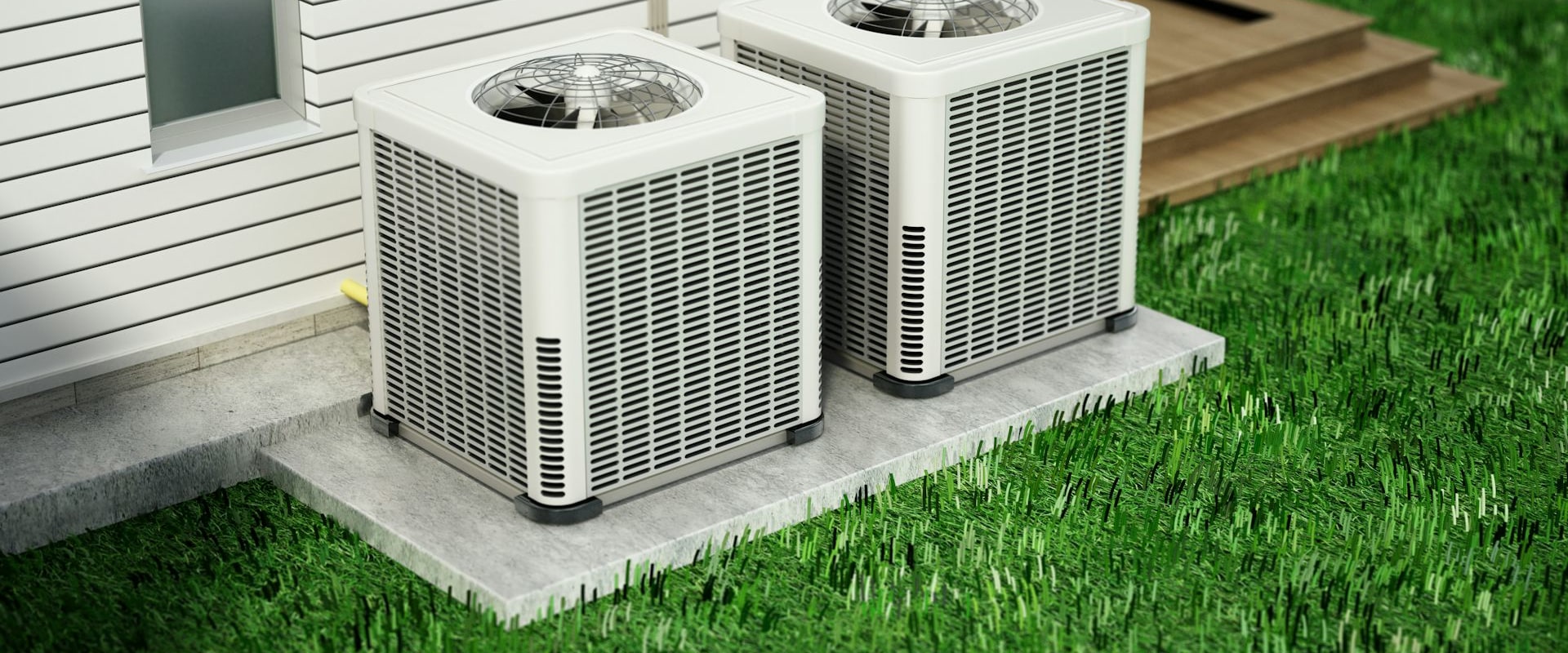
- Condenser: Located outside your home, the condenser dissipates heat absorbed from inside. As the high-pressure refrigerant gas enters the condenser, it releases heat to the outside air and transforms into a liquid state. Regular cleaning of the condenser coils is vital to prevent overheating and ensure efficient operation.
- Evaporator: The evaporator coil is situated inside your home and is responsible for absorbing heat from indoor air. As warm air passes over the evaporator coil, the refrigerant inside absorbs this heat, causing it to evaporate into a gas.
This process cools down the air that is then circulated back into your living space.
- Expansion Valve: This component regulates the flow of refrigerant into the evaporator. By reducing the pressure of the refrigerant, it allows for efficient heat absorption in the evaporator coil. A malfunctioning expansion valve can lead to inadequate cooling or excessive energy consumption.
- Regular Filter Changes: Replace or clean filters every month during peak usage to ensure proper airflow and reduce strain on components.
- Professional Inspections: Schedule annual maintenance checks with a qualified technician to identify potential issues before they escalate.
- Clear Debris: Keep outdoor units free from leaves, dirt, and other debris that can obstruct airflow and hinder performance.
- Monitor Refrigerant Levels: Ensure that refrigerant levels are adequate; low levels can indicate leaks that need immediate attention.
The Role of Thermostats in AC Operation
Thermostats play a crucial role in the operation of air conditioning systems, acting as the primary interface between the user and the HVAC system. Their main function is to monitor and regulate indoor temperatures, ensuring that your home remains comfortable regardless of the heat outside.By maintaining a set temperature, thermostats help optimize the performance of your AC unit, which can lead to significant energy savings.Traditional thermostats operate on a simple principle: they measure the ambient temperature and activate or deactivate the air conditioning system based on user-defined settings. When the temperature rises above the set point, the thermostat signals the AC to turn on, and when it drops below that point, it turns off. This basic functionality is essential for maintaining a stable indoor climate.
Smart Thermostats: The Future of Temperature Control
In recent years, smart thermostats have gained popularity due to their advanced features and energy-saving capabilities. Unlike traditional models, smart thermostats can learn your schedule and preferences over time.They utilize algorithms to adjust temperatures automatically based on when you are home or away, optimizing energy consumption without sacrificing comfort.Many smart thermostats also offer remote access via smartphone apps, allowing users to control their home’s temperature from anywhere. This feature is particularly beneficial for those who want to ensure their home is cool upon arrival after a long day in the heat. Additionally, some models provide energy usage reports, helping homeowners identify patterns and make informed decisions about their heating and cooling habits.
Impact on Energy Efficiency
The choice of thermostat can significantly impact your air conditioning system's energy efficiency. A well-calibrated thermostat can prevent unnecessary cooling cycles, which not only saves energy but also extends the lifespan of your AC unit.For instance, setting your thermostat a few degrees higher when you are away can lead to substantial savings on your utility bills.Moreover, programmable thermostats allow users to set specific schedules for different times of the day. This means you can program your AC to run less during peak hours when electricity rates are higher and increase cooling during off-peak times. By leveraging these features, homeowners can achieve optimal AC operation while minimizing energy costs.In conclusion, understanding the function of thermostats and investing in a suitable model—be it traditional or smart—can greatly enhance your air conditioning experience. Not only do they provide comfort by regulating indoor temperatures effectively, but they also contribute to energy efficiency and cost savings in the long run.
Energy Efficiency Ratings: SEER and EER Explained
When selecting an air conditioning unit, understanding energy efficiency ratings is crucial for making an informed decision.Two of the most important metrics to consider are the Seasonal Energy Efficiency Ratio (SEER) and the Energy Efficiency Ratio (EER). These ratings provide insight into how effectively an air conditioning system uses energy to cool your home.
What is SEER?
The Seasonal Energy Efficiency Ratio (SEER) measures the cooling output of an air conditioning system over a typical cooling season divided by the total electric energy input during that same period. Essentially, it reflects the unit's efficiency in real-world conditions. A higher SEER rating indicates a more efficient system, which can lead to significant savings on energy bills.Understanding EER
The Energy Efficiency Ratio (EER), on the other hand, measures the cooling output of an air conditioning unit at a specific temperature, typically 95°F outside and 80°F inside with 50% humidity.This rating is particularly useful for evaluating performance during peak heat conditions. Like SEER, a higher EER rating signifies better energy efficiency.
Why Energy Efficiency Matters
Choosing an air conditioning unit with a high SEER or EER rating can have several benefits:- Cost Savings: More efficient units consume less electricity, leading to lower utility bills.
- Environmental Impact: Higher efficiency means reduced energy consumption, which can help decrease your carbon footprint.
- Comfort Levels: Efficient systems often provide more consistent cooling and humidity control, enhancing indoor comfort.
Selecting the Right AC Unit
When choosing an air conditioning system, consider the following:- Check Ratings: Look for units with a SEER rating of at least 14 or higher for optimal efficiency.
- Consider Your Climate: In hotter climates, prioritize EER ratings as they indicate performance during peak temperatures.
- Long-Term Investment: While high-efficiency units may have a higher upfront cost, they often pay off in energy savings over time.
Common Issues with Air Conditioning Systems in Summer
As summer temperatures soar, air conditioning systems are put to the test, often revealing underlying issues that can disrupt their performance. Understanding these common problems can help homeowners troubleshoot effectively and maintain a comfortable indoor environment.1.Insufficient Cooling
One of the most frequent complaints during the summer months is insufficient cooling. If your AC unit is running but not effectively cooling your home, consider the following:
- Dirty Air Filters: Clogged filters restrict airflow, making it difficult for the system to cool efficiently.
Regularly check and replace filters every month or as needed.
- Thermostat Issues: Ensure that your thermostat is functioning correctly and set to the desired temperature. Sometimes, recalibrating or replacing the thermostat can resolve cooling issues.
- Refrigerant Levels: Low refrigerant levels can hinder cooling performance. If you suspect a refrigerant leak, contact a professional technician for inspection and refilling.
2.Frequent Cycling
If your air conditioning system frequently turns on and off, it may be short cycling. This can lead to increased energy bills and wear on the system.
Possible causes include:
- Oversized Unit: An AC unit that is too large for your space will cool too quickly, causing it to cycle on and off frequently.
- Dirty Coils: Both evaporator and condenser coils should be clean for optimal performance. Dirt buildup can cause overheating and short cycling.
- Improper Installation: If your system was not installed correctly, it may not function as intended. Consulting with a professional can help identify installation issues.
3.Unpleasant Odors
If you notice strange smells coming from your AC unit, it could indicate a problem:
- Mold or Mildew: A musty smell often points to mold growth in the ducts or on the coils. Regular maintenance and cleaning can help prevent this issue.
- Burning Smell: A burning odor may suggest electrical issues or overheating components.
Turn off the unit immediately and seek professional assistance.
4.Water Leaks
Puddles around your AC unit can indicate a clogged drain line or a refrigerant leak. Regularly inspect drainage systems and ensure they are clear to prevent water damage.
Maintenance Tips
To minimize these common issues, regular maintenance is essential:
- Schedule annual professional inspections to ensure all components are functioning properly.
- Clean or replace air filters monthly during peak usage times.
- Keep outdoor units free from debris and vegetation to ensure proper airflow.
The Importance of Regular Maintenance for AC Systems
Regular maintenance of your air conditioning (AC) system is crucial for ensuring its longevity and efficiency, especially during the sweltering summer months. Neglecting this essential aspect can lead to a host of problems, including decreased performance, higher energy bills, and costly repairs. Here are some key reasons why maintaining your AC system is vital:- Enhanced Efficiency: A well-maintained AC unit operates more efficiently, which means it uses less energy to cool your home.
This efficiency translates into lower utility bills, making regular maintenance a cost-saving strategy.
- Prolonged Lifespan: Just like any other appliance, your AC system has a lifespan that can be significantly extended with proper care. Regular servicing helps identify potential issues before they escalate into major problems, allowing you to enjoy a longer-lasting unit.
- Improved Air Quality: An AC system that is not regularly maintained can accumulate dust, mold, and other allergens. Routine cleaning and filter changes help ensure that the air circulating in your home remains clean and healthy.
- Change Filters Regularly: One of the simplest yet most effective maintenance tasks is changing or cleaning the air filters every month. Clogged filters restrict airflow and force the system to work harder.
- Schedule Professional Servicing: At least once a year, have a qualified technician inspect and service your AC unit.
They can perform essential tasks such as checking refrigerant levels, cleaning coils, and ensuring all components are functioning correctly.
- Keep the Outdoor Unit Clear: Ensure that the area around your outdoor condenser unit is free from debris, plants, and other obstructions. This allows for proper airflow and cooling efficiency.
- Monitor Thermostat Settings: Regularly check your thermostat settings to ensure they are accurate. Consider upgrading to a programmable thermostat for better control over your cooling schedule.
The Impact of Humidity on Air Conditioning Performance
Humidity plays a crucial role in the overall performance of air conditioning systems, significantly impacting both their efficiency and the comfort levels within indoor environments.When humidity levels rise, the air feels warmer than it actually is, which can lead to increased reliance on air conditioning units to maintain a comfortable atmosphere.Air conditioners are designed not only to cool the air but also to dehumidify it. This process is essential for enhancing indoor comfort. As warm air passes over the cold evaporator coils of the AC unit, moisture from the air condenses on these coils and is subsequently drained away. This dehumidification process helps to lower the humidity levels in your home, making it feel cooler and more comfortable.High humidity can hinder an air conditioning system's ability to cool effectively.
When the air is saturated with moisture, it becomes more challenging for the AC unit to remove heat from the indoor environment. This can lead to a situation where the thermostat indicates a desired temperature, but occupants still feel uncomfortable due to excessive humidity. In such cases, even if the temperature is set low, the presence of high humidity can make it feel warmer than it actually is.Moreover, maintaining optimal humidity levels is vital for indoor air quality. Excess moisture can promote mold growth and dust mites, which can trigger allergies and respiratory issues.
A well-functioning air conditioning system that effectively manages humidity not only enhances comfort but also contributes to a healthier living environment.To ensure that your air conditioning system operates efficiently in humid conditions, consider implementing the following tips:
- Regular Maintenance: Schedule routine maintenance checks to ensure that your AC unit is functioning optimally and that its dehumidification capabilities are not compromised.
- Use a Dehumidifier: In areas with particularly high humidity levels, using a standalone dehumidifier can help relieve some of the burden on your AC system.
- Seal Leaks: Ensure that windows and doors are properly sealed to prevent humid outdoor air from entering your home.
- Adjust Thermostat Settings: Set your thermostat to a comfortable level while considering both temperature and humidity; sometimes a slightly higher temperature setting can be more comfortable when humidity is controlled.
Future Trends in Air Conditioning Technology
As we look toward the future of air conditioning technology, several exciting trends are emerging that promise to revolutionize how we cool our spaces. These advancements not only aim to enhance comfort but also focus on sustainability and energy efficiency.Smart Cooling Solutions
One of the most significant trends in air conditioning is the rise of smart cooling solutions. These systems utilize advanced technology to optimize performance and improve user experience.Smart thermostats, for instance, learn your cooling preferences and adjust settings automatically based on your habits. This not only ensures a comfortable environment but also reduces energy consumption.Moreover, many modern air conditioning units can be controlled remotely via smartphone apps. This feature allows users to monitor and adjust their home’s temperature from anywhere, providing convenience and energy savings. Integration with smart home systems further enhances this capability, enabling seamless communication between devices.
Eco-Friendly Refrigerants
Another critical area of innovation is the development of eco-friendly refrigerants.Traditional refrigerants, such as R-22, have been phased out due to their harmful effects on the ozone layer and their contribution to global warming. In response, manufacturers are now focusing on alternatives that have a lower environmental impact.Refrigerants like R-410A and R-32 are becoming more common as they offer better energy efficiency and a reduced carbon footprint. Additionally, natural refrigerants such as ammonia and carbon dioxide are gaining traction due to their minimal environmental impact. These advancements not only comply with regulatory standards but also appeal to environmentally conscious consumers.
Innovations in HVAC Systems
The future of HVAC (Heating, Ventilation, and Air Conditioning) systems is also bright with innovations aimed at improving overall efficiency.For example, variable refrigerant flow (VRF) systems allow for precise control over temperature in different zones of a building. This technology enables simultaneous heating and cooling in various areas, maximizing comfort while minimizing energy use.Additionally, advancements in air filtration technology are enhancing indoor air quality. High-efficiency particulate air (HEPA) filters and UV light systems are being integrated into air conditioning units to reduce allergens and pathogens in the air, promoting healthier living environments.In conclusion, the future of air conditioning technology is poised for significant transformation through smart solutions, eco-friendly refrigerants, and innovative HVAC systems. As these trends continue to evolve, they will not only improve our comfort but also contribute to a more sustainable future.
Conclusion: Key Takeaways on AC Operation and Maintenance
In summary, understanding the operation of air conditioning systems is crucial for maintaining a comfortable indoor environment during the sweltering summer months.By grasping the fundamental principles of how these systems work, homeowners can take proactive steps to ensure their AC units function efficiently and effectively.Here are some key takeaways regarding AC operation and maintenance:
- Refrigerant Cycle: The heart of any air conditioning system lies in its refrigerant cycle. This process involves the transformation of refrigerant from a liquid to a gas and back again, allowing the system to absorb heat from inside your home and release it outside. Understanding this cycle helps in recognizing potential issues that may arise.
- Regular Maintenance: Routine maintenance is essential for optimal performance. This includes changing air filters monthly, cleaning coils, and scheduling professional inspections at least once a year.
Neglecting maintenance can lead to decreased efficiency and costly repairs.
- Energy Efficiency: An efficient AC unit not only cools your home effectively but also saves you money on energy bills. Consider upgrading to a newer model with a higher SEER (Seasonal Energy Efficiency Ratio) rating if your system is over a decade old.
- Temperature Settings: Setting your thermostat to a reasonable temperature can prevent your AC from overworking. Lowering the thermostat too much does not cool your home faster; instead, it forces the system to work harder, leading to increased energy consumption.
- Humidity Control: Air conditioners also play a vital role in dehumidifying indoor air. Maintaining appropriate humidity levels not only enhances comfort but also protects your home from mold and mildew growth.
A well-maintained AC unit not only provides comfort but also contributes to overall health and well-being by improving indoor air quality.Ultimately, investing time and resources into understanding and maintaining your air conditioning system will pay off in the long run, providing you with a cool refuge from the heat while minimizing energy costs and repair needs.