In today's fast-paced world, the significance of air conditioning cannot be overstated. As temperatures rise and humidity levels fluctuate, the ability to maintain a comfortable indoor environment has become essential for both residential and commercial spaces. The modern air conditioning unit is not merely a luxury; it is a vital component of our daily lives, enhancing our comfort, productivity, and overall well-being. Understanding how these systems operate is crucial for homeowners and business owners alike, as it empowers them to make informed decisions regarding installation, maintenance, and energy efficiency.The operation of an AC unit involves a fascinating interplay of physics and engineering principles.
At its core, air conditioning works by transferring heat from the inside of a building to the outside, thereby cooling the indoor air. This process relies on a series of components, including compressors, evaporators, and condensers, each playing a pivotal role in ensuring optimal performance. By grasping the fundamentals of how air conditioning works, individuals can appreciate the technology that keeps their environments comfortable during sweltering summer months.Moreover, the importance of air conditioning extends beyond mere comfort. It also contributes to improved air quality by filtering out pollutants and allergens, making it particularly beneficial for those with respiratory issues.
Additionally, in commercial settings, effective climate control can enhance employee productivity and protect sensitive equipment from heat damage. As we delve deeper into the science behind AC operation in this guide, we will uncover the intricate mechanisms that allow these systems to function efficiently and reliably.
The Basics of AC Operation
Understanding the operation of air conditioning units is essential for anyone looking to maintain a comfortable indoor environment. At its core, an air conditioning system functions by transferring heat from the inside of a building to the outside, thereby cooling the indoor air. This process involves several key components that work together seamlessly.The primary components of an air conditioning system include:- Compressor: Often referred to as the heart of the AC unit, the compressor is responsible for compressing the refrigerant gas, raising its pressure and temperature.
This high-pressure gas then moves to the condenser.
- Condenser: Located outside the building, the condenser cools down the hot refrigerant gas by releasing heat into the outdoor air. As it cools, the refrigerant changes from a gas to a liquid state.
- Expansion Valve: This component regulates the flow of refrigerant into the evaporator coil. It allows the high-pressure liquid refrigerant to expand and drop in pressure, which prepares it for heat absorption.
- Evaporator Coil: Situated inside the building, this coil absorbs heat from indoor air. As warm air passes over the evaporator coil, the refrigerant inside absorbs this heat and evaporates back into a gas.
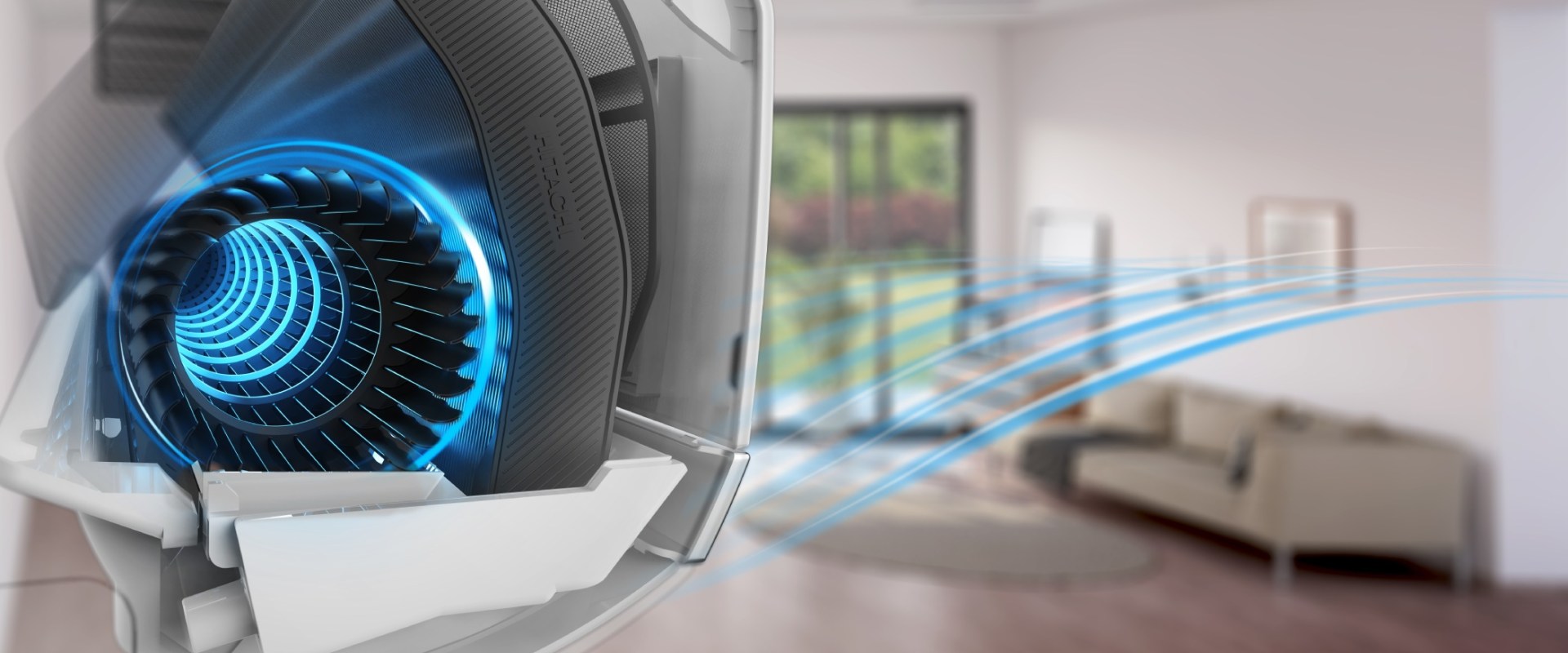
- Blower Fan: The blower fan circulates indoor air over the evaporator coil and distributes cooled air throughout the space via ductwork or directly into rooms in ductless systems. The blower fan circulates indoor air over the evaporator coil and distributes cooled air throughout the space via ductwork or directly into rooms in ductless systems.
The blower fan pushes this air over the evaporator coil, where it is cooled as heat is absorbed by the refrigerant. The now-cool air is then circulated back into the living space.Once the refrigerant absorbs enough heat, it transforms into a low-pressure gas and travels back to the compressor. The compressor then compresses this gas, raising its temperature and pressure before sending it to the condenser. In this outdoor unit, heat is expelled into the atmosphere, allowing the refrigerant to condense back into a liquid state.This continuous cycle of heat absorption and expulsion is what keeps our homes cool during hot weather.
Understanding these fundamental principles of AC operation not only helps in appreciating modern cooling technology but also aids in troubleshooting and maintaining your system effectively.
Key Components of an Air Conditioning Unit
Understanding the key components of an air conditioning unit is essential for grasping how AC operation works. Each part plays a vital role in ensuring that your home remains cool and comfortable, especially during the sweltering summer months. Below, we explore the primary components that make up an air conditioning system.1.Compressor
The compressor is often referred to as the heart of the air conditioning system. It is responsible for circulating the refrigerant throughout the system and compressing it into a high-pressure gas.This process increases the temperature of the refrigerant, allowing it to release heat effectively when it reaches the condenser coil. The compressor operates continuously, adjusting its speed based on the cooling demand, which enhances energy efficiency.
2.Evaporator Coil
The evaporator coil is located inside your home and plays a crucial role in absorbing heat from the indoor air. As warm air passes over the evaporator coil, the refrigerant inside absorbs this heat and evaporates into a gas. This process cools down the air, which is then circulated back into your living spaces by a fan.The efficiency of the evaporator coil directly impacts how effectively your AC unit can cool your home.
3.Condenser Coil
The condenser coil is situated outside your home and works in tandem with the compressor. After the refrigerant has absorbed heat from inside, it travels to the condenser coil as a high-pressure gas. Here, it releases its heat to the outside air, aided by a fan that blows ambient air over the coil. As it cools down, the refrigerant condenses back into a liquid state and returns to the evaporator coil to repeat the cycle.4.Refrigerant
The refrigerant is a specialized fluid that circulates through the AC system, facilitating heat exchange between indoor and outdoor environments.It changes states from liquid to gas and back again as it moves through various components of the system. Modern refrigerants are designed to be environmentally friendly while maintaining high efficiency in heat absorption and release.
5.Expansion Valve
The expansion valve regulates the flow of refrigerant into the evaporator coil. It reduces the pressure of the refrigerant before it enters the evaporator, allowing it to expand and absorb heat more effectively. This component is crucial for maintaining optimal performance and efficiency in an air conditioning unit.In summary, each component of an air conditioning unit—compressor, evaporator coil, condenser coil, refrigerant, and expansion valve—works together seamlessly to provide effective cooling solutions for homes and businesses alike.Understanding these components not only helps in troubleshooting issues but also aids in making informed decisions regarding maintenance and upgrades.
The Refrigeration Cycle Explained
The refrigeration cycle is the fundamental process that allows air conditioning units to cool indoor spaces effectively. This cycle involves a series of stages where heat is absorbed from the indoor air and expelled outside, creating a comfortable environment. Understanding this cycle is crucial for grasping how AC operation works.1.Evaporation:
The cycle begins in the evaporator coil, where the refrigerant, a special fluid with low boiling points, enters as a low-pressure liquid. As warm indoor air passes over the evaporator coil, the refrigerant absorbs heat from the air, causing it to evaporate and transform into a gas.
This process cools the air that is then circulated back into the room.
2.Compression:
The gaseous refrigerant is then drawn into the compressor, which is typically located in the outdoor unit. The compressor plays a vital role by compressing the gas, which increases its pressure and temperature. This high-pressure gas is essential for the next stage of the cycle.
3.Condensation:
After compression, the hot, high-pressure gas flows into the condenser coil. Here, it releases its heat to the outside air through a fan that blows ambient air over the coil.
As the refrigerant loses heat, it condenses back into a liquid state. This heat exchange process is critical as it allows the refrigerant to cool down before returning indoors.
4.Expansion:
The liquid refrigerant then passes through an expansion valve or capillary tube, where it experiences a drop in pressure. This sudden decrease in pressure causes the refrigerant to cool significantly as it prepares to re-enter the evaporator coil and repeat the cycle.This continuous loop of evaporation, compression, condensation, and expansion is what makes air conditioning systems effective at maintaining comfortable indoor temperatures. By understanding how refrigeration works and the heat exchange process involved, homeowners can appreciate the technology behind their cooling systems and make informed decisions regarding maintenance and efficiency improvements.
Types of Air Conditioning Systems
When it comes to maintaining a comfortable indoor environment, understanding the different types of air conditioning systems is essential.Each system has its own unique features, advantages, and ideal applications. Below, we explore the most common types of AC systems available today.
Split Systems
Split systems are among the most popular types of air conditioning units. They consist of two main components: an indoor unit and an outdoor unit. The indoor unit typically contains the evaporator coil and a fan, while the outdoor unit houses the compressor and condenser coil.- Cooling Efficiency: Split systems are known for their high energy efficiency, making them a cost-effective choice for homeowners.
- Installation Flexibility: These systems can be installed in various configurations, allowing for greater flexibility in design and placement.
- Quiet Operation: Since the noisy components are located outside, split systems operate quietly indoors.
Ductless Systems
Ductless air conditioning systems, also known as mini-split systems, offer a modern solution for cooling individual rooms or zones within a home.They consist of an outdoor compressor unit and one or more indoor air-handling units.
- Zoned Cooling: Ductless systems allow homeowners to control the temperature in different areas independently, enhancing comfort and energy savings.
- No Ductwork Required: As the name suggests, these systems do not require ductwork, making them ideal for homes without existing ducts or for room additions.
- Energy Efficiency: Ductless systems are highly efficient and can significantly reduce energy consumption compared to traditional ducted systems.
Packaged Systems
Packaged air conditioning systems combine all components into a single unit, typically installed on the roof or a concrete slab next to the building. These systems are commonly used in commercial buildings but can also be suitable for residential applications.- Space-Saving Design: Packaged units save indoor space since all components are housed in one location.
- Easy Installation: The installation process is often simpler and quicker compared to split systems due to fewer components needing to be connected.
- Integrated Heating Options: Many packaged systems come with built-in heating capabilities, providing year-round climate control.
Energy Efficiency in Air Conditioning Units
Energy efficiency is a critical consideration for homeowners when it comes to air conditioning units. Not only does it impact your monthly utility bills, but it also plays a significant role in reducing your carbon footprint.Understanding how to maximize the energy efficiency of your AC unit can lead to substantial savings and a more comfortable living environment.One of the key metrics used to evaluate the energy efficiency of air conditioning units is the Seasonal Energy Efficiency Ratio (SEER). The SEER rating measures the cooling output during a typical cooling season divided by the total electric energy input during the same period. A higher SEER rating indicates a more efficient unit. For instance, modern air conditioners typically have SEER ratings ranging from 13 to 21, with higher ratings signifying better energy performance.When selecting an air conditioning unit, consider opting for one with a SEER rating of at least 16 or higher.
This not only ensures better energy efficiency but may also qualify you for rebates or tax credits in some regions.
Energy-Saving Tips for AC Units
- Regular Maintenance: Schedule annual maintenance checks for your AC unit. A well-maintained system operates more efficiently and can prevent costly repairs down the line.
- Optimize Thermostat Settings: Set your thermostat to a higher temperature when you are away from home. A programmable or smart thermostat can help automate this process, ensuring that your home remains comfortable without wasting energy.
- Seal Ducts and Insulate: Ensure that your ductwork is properly sealed and insulated. Leaky ducts can lead to significant energy loss, making your AC work harder than necessary.
- Use Ceiling Fans: Ceiling fans can help circulate cool air throughout your home, allowing you to set your thermostat a few degrees higher without sacrificing comfort.
- Close Blinds and Curtains: During the hottest parts of the day, close blinds or curtains to block out direct sunlight.
This simple step can reduce the heat entering your home and lessen the load on your AC unit.
Common Issues and Troubleshooting Tips for AC Units
Air conditioning units, while essential for maintaining comfort in our homes, can encounter a variety of issues over time. Understanding these common problems and knowing how to troubleshoot them can save homeowners both time and money. Below are some frequent AC problems along with practical solutions.- Insufficient Cooling: If your AC unit is running but not cooling effectively, check the thermostat settings first.
Ensure it is set to a lower temperature than the current room temperature. If the settings are correct, inspect the air filters. Clogged filters can restrict airflow, leading to inadequate cooling. Replace or clean the filters regularly to maintain optimal performance.
- Strange Noises: Unusual sounds such as grinding, squealing, or rattling can indicate mechanical issues.
These noises may stem from loose components or worn-out parts. If you hear these sounds, turn off the unit and consult a professional technician to diagnose and fix the problem.
- Water Leaks: Water pooling around your AC unit can be a sign of a clogged drain line or a refrigerant leak. Check the condensate drain for blockages and clear any debris. If you suspect a refrigerant leak, it’s crucial to contact an HVAC professional immediately, as this can affect both efficiency and safety.
- Foul Odors: Musty or burning smells coming from your AC can indicate mold growth or electrical issues.
If you detect a musty odor, it may be due to moisture buildup in the system. Cleaning the evaporator coil and ensuring proper drainage can help. For burning smells, turn off the unit and seek professional help right away.
- Frequent Cycling: If your AC turns on and off frequently, it may be short cycling due to an oversized unit or a malfunctioning thermostat. This not only affects comfort but also increases energy bills.
Consider having an HVAC technician evaluate your system's size and functionality.
Maintenance Tips for Optimal AC Performance
To ensure your air conditioning unit operates at peak efficiency and enjoys a long lifespan, regular maintenance is essential. Here are some practical AC maintenance tips that can help you keep your system running smoothly:- Change or Clean Filters Regularly: One of the simplest yet most effective maintenance tasks is to check and replace or clean the air filters.
Clogged filters restrict airflow, making your AC work harder and less efficiently. Aim to check your filters every month and replace them every 1-3 months, depending on usage.
- Keep the Outdoor Unit Clear: Ensure that the area around your outdoor condenser unit is free from debris, leaves, and vegetation. A clear space allows for proper airflow and heat exchange, which is crucial for efficient operation.
- Inspect the Ductwork: Leaky ducts can lead to significant energy loss. Regularly inspect your ductwork for any signs of wear or damage.
Sealing leaks can improve efficiency and reduce energy costs.
- Schedule Professional Maintenance: While DIY maintenance is important, having a professional technician inspect your system at least once a year can catch potential issues before they become major problems. They can clean coils, check refrigerant levels, and ensure all components are functioning correctly.
- Monitor Thermostat Settings: Ensure your thermostat is functioning properly and set to an appropriate temperature. Consider upgrading to a programmable thermostat to optimize cooling schedules based on your routine.
- Check for Unusual Noises: Pay attention to any strange sounds coming from your AC unit. Unusual noises can indicate mechanical issues that may require immediate attention.
- Clean the Coils: Both the evaporator and condenser coils should be cleaned regularly to remove dirt and debris that can hinder performance.
Dirty coils can lead to overheating and reduced efficiency.
The Future of Air Conditioning Technology
As we look to the future, the landscape of air conditioning technology is evolving rapidly, driven by the need for greater energy efficiency, sustainability, and enhanced user experience. Innovations in HVAC systems are not just about cooling; they encompass a holistic approach to climate control that integrates smart technology and environmental considerations.Smart Air Conditioning Systems
One of the most significant advancements in air conditioning technology is the rise of smart air conditioning systems. These systems utilize Internet of Things (IoT) technology to connect with users' smartphones and home automation systems.
This connectivity allows homeowners to control their AC units remotely, set schedules, and receive maintenance alerts. For instance, a smart thermostat can learn a household's cooling patterns and adjust settings automatically to optimize energy use.Moreover, smart AC systems can integrate with other smart home devices, such as humidity sensors and air quality monitors, to create a more comfortable living environment. By analyzing data from these devices, the system can adjust its operation in real-time, ensuring optimal performance while minimizing energy consumption.
Innovations in Energy Efficiency
Energy efficiency remains a top priority in the development of new air conditioning technologies. Manufacturers are increasingly focusing on creating units that use less energy while providing superior cooling performance.
For example, variable refrigerant flow (VRF) systems allow for precise control over the amount of refrigerant flowing to each indoor unit, which can significantly reduce energy waste.Additionally, advancements in compressor technology, such as inverter-driven compressors, enable AC units to operate at varying speeds rather than just on or off. This capability not only enhances comfort by maintaining consistent temperatures but also reduces energy consumption by up to 30% compared to traditional systems.
Sustainable Refrigerants
The shift towards environmentally friendly refrigerants is another critical aspect of future AC technology. Traditional refrigerants like R-22 are being phased out due to their high global warming potential. Newer alternatives, such as R-32 and R-454B, have significantly lower environmental impacts and are becoming more widely adopted in modern air conditioning systems.
Conclusion
The future of air conditioning technology promises exciting developments that will enhance efficiency and user experience while addressing environmental concerns.
As smart technologies continue to evolve and sustainable practices become standard, homeowners can expect more intuitive and eco-friendly solutions for their cooling needs.
Conclusion: The Importance of Understanding AC Operation
In conclusion, understanding the operation of air conditioning units is essential for homeowners and anyone interested in maintaining a comfortable living environment. Throughout this guide, we have explored the intricate components and processes that make up an AC system, from the cooling coils to the refrigerant cycle. Each element plays a vital role in ensuring that our indoor spaces remain cool and pleasant, especially during the sweltering summer months.By grasping how these systems function, individuals can make informed decisions regarding their HVAC needs. For instance, knowing the difference between ducted and ductless systems can help homeowners choose the right type of air conditioning for their specific requirements.Additionally, understanding the importance of regular maintenance can lead to improved efficiency and longevity of the unit.Moreover, awareness of how energy efficiency impacts both comfort and utility bills cannot be overstated. With rising energy costs and growing environmental concerns, selecting an energy-efficient AC unit is not just a matter of comfort but also a responsible choice for sustainability.Furthermore, recognizing the signs of potential issues within an AC system can prompt timely repairs, preventing costly breakdowns and ensuring optimal performance. Homeowners who are knowledgeable about their air conditioning units are better equipped to troubleshoot minor problems and seek professional help when necessary.In summary, a comprehensive understanding of AC operation empowers individuals to enhance their home comfort while also being mindful of energy consumption and maintenance practices. As we continue to rely on these systems for relief from heat, investing time in learning about their operation will undoubtedly pay off in terms of comfort, efficiency, and cost savings.